Decades of Innovation
Data centers have evolved dramatically over the past several decades, becoming more efficient, quieter, and better designed for the communities they serve.
-
Data from Epoch AI shows that the chips used in data centers have become 34% more efficient on average each year from 2019 to 2025.
Modern natural gas engines can provide reliable, on-site electricity for data centers, reducing their dependence on the local power grid. These engines are more efficient than many older power plants, use much less water, and produce fewer emissions than traditional coal plants and older natural gas facilities. Because they can quickly increase or decrease power as demand changes, they also work well alongside renewable energy sources like wind and solar, as well as battery storage. This makes them a practical option for meeting growing energy needs while supporting a cleaner and more reliable electric system.
Thanks to improvements in AI-monitoring systems, modern data centers keep track of which systems face the biggest demand loads at any given time. As a result, it can redirect cooling and power use to specific sections of the building on demand. Rather than applying uniform conditions to the building, or relying on manual adjustments, the building can adapt to changes as they happen, increasing the responsiveness (and efficiency) of cooling systems.
-
Like your computer when it sees heavy use, the computer chips in data centers get hot very quickly. Data centers must keep those chips cool to continue functioning. Older models of data centers used evaporative cooling for that purpose – water would run through the rooms with chips, absorb the heat from the chips, then release it as steam from cooling towers. However, due to the heavy water use involved in these systems, they have fallen out of favor across the industry.
Liquid cooling has become the new standard in data center engineering, thanks to improved power designs that make systems more energy-efficient. Liquid cooling systems operate similarly to a car engine, infusing the water supply with refrigerants. As a result, they keep the system cool without releasing water as steam, significantly reducing water use in these systems.
-
Modern data center developers can better address the outdated noise-related concerns typically raised on social media. Recent advancements in engineering, particularly in equipment operation and design, have driven fundamental changes that significantly reduce noise and nuisance. Engineering progress in this area continues to evolve, and noise-related advancements combined with the industry’s commitment to community participation are reshaping the sector to be quieter, more efficient, and better neighbors.
These efficiency gains in electricity use and cooling already reduce the biggest drivers of noise: fans and cooling towers. In addition to having fewer fans and cooling towers with closed-loop cooling techniques, modern engineering features several techniques to reduce sound from industrial structures.
Silencers and mufflers can be placed on any remaining fans or exhaust vents. Silencers use sound-absorbing materials in conjunction with maze-like design that increases the distance sound must travel, reducing its output once it finally escapes the silencer.
Acoustic walls present physical barriers for sound, reflecting it back into the site and reducing the power of the sound that continues outward. Modern acoustic walls can either surround specific pieces of equipment or take the form of earthen walls around the site, creating positive viewsheds with natural grasses and wildflowers.
Equipment that creates vibration, such as backup generators, can be placed on independent stands in addition to being enclosed or walled off. By placing generators on these stands, engineers isolate any vibrations they create, which in turn reduces low frequency noise.
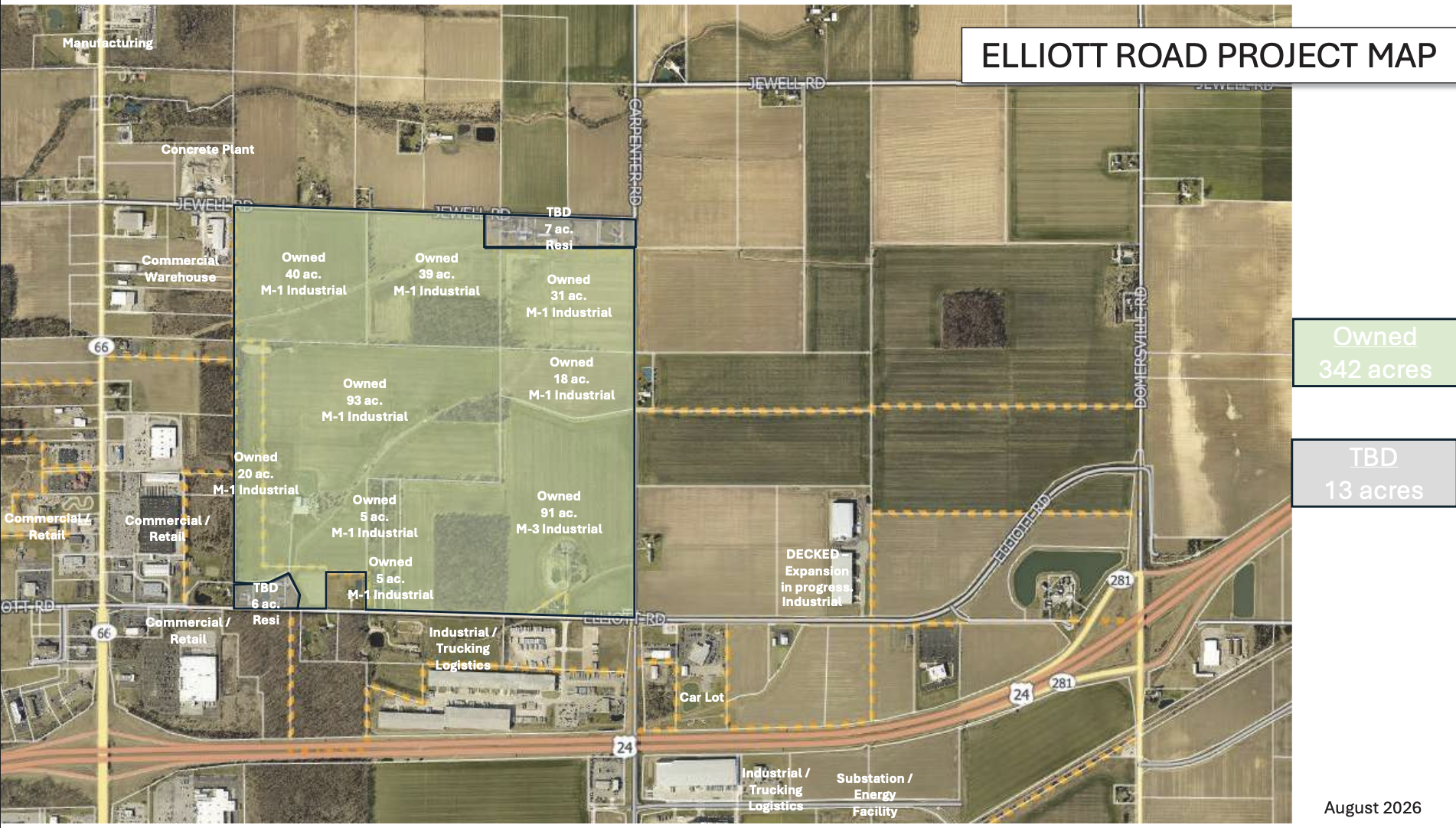
Project Location